

Achieving Balance: The Integration of Racking Systems and Operational Efficiency
Understanding Racking Systems
Harmony of Racking systems play an integral role in the storage and movement of goods within warehouses and distribution centers. Their design and functionality can significantly influence operational efficiency, inventory management, and storage space utilization. This section explores various types of racking systems, each tailored to meet distinct operational requirements.
Selective racking is one of the most commonly used systems. It allows for easy access to all stored items and is especially effective for warehouses with a diverse range of products. This type of racking typically employs upright frames and beams to create uniform storage levels, making it possible to quickly locate and retrieve items.
Drive-in racking systems, on the other hand, are designed for high-density storage. They minimize aisle requirements by allowing forklifts to drive directly into the racking structure. This type of system supports a first-in, last-out (FILO) inventory retrieval process, making it ideal for storing large quantities of the same item.
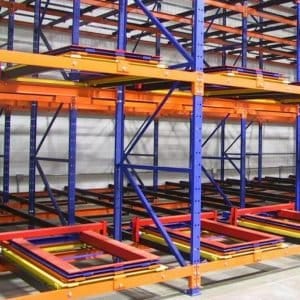
Push-back racking systems offer a middle ground between selective and drive-in designs. They utilize a series of carts that move backward along rails as a new pallet is added, effectively maximizing space utilization while still allowing for easy access to items. This system is beneficial in environments where product rotation is critical.
Lastly, pallet flow racking systems utilize gravity to move pallets through the racking structure, providing a first-in, first-out (FIFO) inventory management method. This type is particularly advantageous for perishable items or goods with expiration dates, ensuring that older stock is utilized before newer stock.
Each racking system has its strengths and weaknesses, and understanding these can greatly optimize warehouse operations. The choice of racking system should be guided by the specific needs of the business, taking into account factors such as product type, inventory turnover, and available space.
The Importance of Operational Harmony
Operational harmony refers to the seamless synchronization of various logistical processes within a warehousing and distribution environment. Achieving this harmony is crucial for companies aiming to enhance overall efficiency and productivity. The core processes that contribute to operational harmony include receiving, storage, inventory management, and dispatch.
When these processes are aligned, it leads to a streamlined workflow that minimizes delays and errors. For example, effective receiving procedures ensure that incoming goods are logged into the system promptly, allowing for accurate inventory tracking. This real-time data is essential for inventory management, as it informs decisions regarding stock levels, reordering, and distribution scheduling. If the receiving process falters, it can lead to discrepancies in inventory records, resulting in stockouts or excess inventory—both of which greatly affect operational efficiency.
Furthermore, proper storage systems, such as efficient racking systems, are integral to maintaining operational harmony. By optimizing the layout of storage spaces, businesses can increase accessibility to products, thus facilitating quicker picking and shipping processes. This accessibility reduces the time spent searching for items and maximizes space utilization, which is vital in a warehouse setting.
In addition to these considerations, it is essential to focus on the dispatch process. Coordination between picking, packing, and shipping ensures that products are sent out on time. This synchronization can improve customer satisfaction by ensuring timely deliveries, which in turn enhances the company’s reputation in the market.
In summary, operational harmony acts as the backbone of effective warehousing and logistics. By ensuring that various processes are integrated and function cohesively, companies can significantly enhance their productivity, reduce operational costs, and improve overall customer satisfaction. This alignment of processes ultimately leads to a more robust and efficient logistical operation.
Key Components of Racking Operations
The operational efficiency surrounding racking systems is determined by several critical components that must work in unison to enhance productivity and streamline processes. One of the primary components is workforce training. Adequately trained personnel are vital for the safe and effective utilization of racking systems. Training programs should not only encompass the proper use of the racking system itself but also emphasize safety protocols and preventive maintenance practices. Skilled employees are essential for minimizing risks and ensuring that operations run smoothly.
Another integral component is inventory control software. This technology enables real-time tracking of stock levels, optimizes storage space, and enhances accuracy in order fulfillment. By effectively managing inventory, businesses can reduce the likelihood of overstocking or stockouts, thereby improving overall operational efficiency. Implementing robust inventory management solutions allows companies to analyze data, forecast needs, and ultimately make informed decisions that align with their logistical strategies.
Furthermore, the choice of hardware tools cannot be overlooked. These tools, which may include pallet jacks, forklifts, and racking systems themselves, must be selected based on the specific needs of the warehouse or facility. The right equipment facilitates the handling and mobility of goods, enhancing both the speed and efficiency of operations. It is crucial to consider factors such as load capacity, adaptability, and ease of use when selecting hardware, as these attributes directly impact operational performance.
Each of these components—workforce training, inventory control software, and hardware tools—plays a significant role in ensuring the seamless functioning of racking systems. Their effective integration contributes to the overall efficiency of warehousing operations, helping businesses achieve balance and optimize their logistical capabilities.
Evaluating Racking System Layouts
Optimal layout planning for racking systems is essential for maximizing operational efficiency within a facility. Several factors must be assessed to ensure that the racking configuration not only supports the load capacities required but also facilitates smooth workflow and accessibility. A thorough evaluation can significantly enhance both safety and productivity.
One of the primary elements to consider when evaluating a racking system layout is aisle width. Adequate aisle space allows for the safe and efficient movement of equipment, such as forklifts and pallet jacks, and enables personnel to access products with ease. Aisle widths should be determined based on the types of equipment being used, the size of the loads, and the volume of traffic expected in the area. Additionally, wider aisles may benefit high-traffic areas, reducing the risks of accidents and delays.
Load capacities are another critical aspect to consider. It is crucial to match the racking system’s design with the weight and volume of products stored. Overloading racks can lead to structural failure and safety hazards. Each pallet rack should have specifications detailing its maximum load-bearing limits, and these should not be exceeded. Regular inspections and maintenance of racking systems can prevent overload scenarios and ensure ongoing compliance with safety regulations.
Moreover, optimizing picking paths is vital for improving efficiency. Analyzing the routes taken by picking personnel can reveal potential bottlenecks or unnecessary detours. Streamlining picking processes minimizes movement and reduces time spent on retrieving items, allowing for increased throughput. Implementing a flow-through picking system can enhance accessibility, ensuring items are not stored in less accessible areas, which can hinder productivity.
In conclusion, evaluating racking system layouts involves a comprehensive analysis of aisle widths, load capacities, and picking paths. Attention to these factors can lead to a more efficient and safer environment, contributing to the overall operational performance of facilities that utilize racking systems.
Integrating Technology with Racking Systems
The modern logistics and warehousing sectors have seen significant advancements due to the integration of technology with racking systems. These technological enhancements not only improve the efficiency of storage solutions but also streamline operational workflows, making inventory management more precise and less labor-intensive.
One of the primary technologies transforming racking systems is barcode scanning. By implementing barcode systems, warehouses can accurately track inventory levels in real-time. Scanning barcodes during the receiving and shipping processes ensures that items are readily accounted for, minimizing human errors associated with manual tracking. This technology also provides a systematic approach to managing stock by easily identifying product locations within complex racking configurations.
Another significant technology playing a pivotal role is RFID (Radio-Frequency Identification). RFID technology facilitates the wireless transmission of data regarding assembled products or components. This system enables automatic tracking of goods as they move through various stages of the supply chain. Through RFID, companies can achieve improved visibility and enhanced accuracy in inventory management, which effectively reduces the chances of stock-outs or overstocking situations. By integrating RFID systems with racking layouts, organizations can optimize storage capacity and operational efficiency.
Automated storage and retrieval systems (AS/RS) represent another innovative leap in racking technology. These systems use computer-controlled systems to automatically store and retrieve items from predetermined locations. By minimizing the need for manual handling, AS/RS can enhance warehouse productivity and reduce operational costs. The integration of these automated solutions with existing racking systems helps in maximizing space utilization while ensuring quick and efficient access to stored goods.
In conclusion, the integration of technology with racking systems plays a crucial role in enhancing the functionality of warehousing operations. By adopting innovations such as barcode scanning, RFID, and automated storage/retrieval systems, businesses can effectively track inventory and streamline operations, ultimately leading to improved efficiency and reduced costs.
Safety Considerations in Racking Operations
Ensuring safety in racking systems is essential for maintaining a secure working environment in warehouses and storage facilities. One of the foremost elements in promoting safety is adherence to established weight limits for racking systems. Each racking unit is designed to withstand specific loads, and exceeding these limits can lead to structural failure, resulting in accidents and injuries. Therefore, it is crucial for operators to consult the manufacturer’s specifications and standards to determine the maximum load capacities for each type of rack.
In addition to understanding weight limits, comprehensive employee training protocols play a vital role in enhancing safety. Employees must be adequately trained not only in the operation of racking systems but also in recognizing potential hazards. Such training should encompass proper material handling techniques, safe loading and unloading practices, and emergency response procedures. Furthermore, regular workshops and refresher courses can reinforce safety knowledge and ensure that employees remain vigilant about potential dangers in their working environment.
Another critical aspect of safety in racking operations is the implementation of regular maintenance inspections. Conducting these inspections allows for the early detection of any wear and tear, structural weaknesses, or compliance issues that could pose safety risks. Maintenance protocols should include visual inspections and comprehensive checks of all components, including beams, uprights, and safety accessories. By actively monitoring the condition of racking systems, facilities can prevent accidents and ensure prolonged structural integrity.
Incorporating these best practices into daily operations will significantly enhance the safety of racking systems in any environment. Through diligent attention to weight limits, ongoing employee training, and systematic maintenance protocols, businesses not only comply with safety regulations but also foster a culture of safety awareness among their employees. Such a proactive approach ultimately contributes to minimizing risks and enhancing overall operational efficiency.
Optimizing Space Utilization through Racking Systems
Maximizing space efficiency in warehouses is a critical aspect of operational success. Racking systems play a significant role in enhancing storage capabilities, allowing businesses to utilize available space effectively. By implementing various techniques, organizations can achieve optimal space utilization, thereby improving operational efficiency.
One of the primary strategies for enhancing space efficiency is vertical storage. Utilizing the height of a warehouse allows businesses to increase storage density without needing a larger footprint. High-rise racking systems, which can reach impressive heights, enable warehouses to store more products by leveraging the vertical dimensions of the space. This not only increases the overall capacity but also minimizes floor area usage, making it a sustainable option for inventory management.
In addition, multi-tier systems are an effective solution for warehouses with diverse product ranges. These systems enable businesses to create multiple levels of storage, accommodating different types of inventory. By designing these multi-tier racking systems, companies can optimize their storage areas for various products, leading to improved accessibility and retrieval times. This flexibility is crucial for adapting to changing inventory needs, ensuring that warehouses can respond efficiently to fluctuating demands.
Moreover, the adaptability of racking systems is essential in today’s fast-paced market. Flexible racking designs can easily be adjusted or reconfigured to meet evolving inventory requirements, allowing companies to scale their storage solutions as necessary. This adaptability is increasingly vital as businesses face unforeseen changes in product lines or market conditions. By investing in innovative racking solutions that provide adjustability, companies can achieve a robust and resilient warehouse management strategy.
Ultimately, optimizing space utilization through effective racking systems is fundamental for enhancing operational efficiency in warehouses. By implementing vertical storage, multi-tier systems, and flexible designs, businesses can maximize their space while improving their inventory management processes.
Measuring the Success of Racking Systems
To evaluate the effectiveness of racking systems within a warehouse or distribution center, it is crucial to focus on specific key performance indicators (KPIs). These metrics provide valuable insights into operational efficiency and can significantly influence overall business performance. One of the primary KPIs is the inventory turnover rate, which assesses how often inventory is sold and replaced over a defined period. A high turnover rate suggests that the racking system is effectively facilitating the movement of goods, thereby indicating a successful integration with operational workflows.
Another vital metric is picking accuracy, which measures the percentage of orders picked correctly from the racking systems. High picking accuracy not only enhances customer satisfaction by ensuring timely and correct deliveries but also minimizes returns and discrepancies in inventory. Implementing automated systems or advanced technology can improve picking processes, contributing to higher accuracy rates and operational success.
Furthermore, the overall impact of racking systems on fulfillment times is an essential consideration. Fulfillment time refers to the duration from when an order is placed to when it is shipped. Efficient racking systems streamline the picking process, thereby reducing the time required to fulfill orders. By monitoring fulfillment times, businesses can identify bottlenecks or inefficiencies and make informed decisions regarding adjustments in racking configurations or workflows.
In addition, integrating these KPIs can provide a comprehensive view of the racking system’s performance. Regular analysis helps in aligning strategies that optimize space utilization, enhance workflow efficiency, and ultimately improve service levels. An effective racking system not only meets the immediate inventory storage needs but also supports broader operational goals, making the measurement of these metrics critical for sustained success.
Future Trends in Racking Systems and Operations
The landscape of warehousing and logistics is evolving rapidly, driven by the need for greater efficiency and adaptability. Emerging trends in racking systems reflect this shift towards smarter operations and sustainability. As businesses strive for operational efficiency, racking systems are not merely storage solutions; they have become integral to strategic planning and execution within warehouses.
One of the most significant trends is the focus on sustainability in racking designs. Companies are increasingly opting for materials and systems that reduce environmental impact. This includes using recycled materials and designs that minimize waste. Implementing sustainable practices in warehouse operations enhances brand reputation while contributing to overall environmental goals. The incorporation of eco-friendly materials does not only serve compliance but also meets the rising demand from consumers for greener practices.
Advancements in automation are another key area shaping the future of racking systems. Automated storage and retrieval systems (AS/RS) are becoming more prevalent, allowing for increased efficiency and accuracy in inventory management. These systems reduce manual handling, minimizing errors and improving turnaround times. With advanced robotics being integrated with racking systems, warehouses can achieve higher storage density and dynamic inventory management, which are critical in today’s fast-paced economic environment.
E-commerce continues to have a profound impact on warehouse operations, leading to a re-evaluation of traditional racking strategies. The increase in online shopping has made it imperative for businesses to optimize their logistics to satisfy consumer demands for quick delivery times. Racking systems must accommodate varying product sizes and a higher turnover rate, thus driving innovation in design and layout to support efficient picking operations.
In conclusion, the future of racking systems is poised for transformation, characterized by trends that emphasize sustainability, automation, and responsiveness to e-commerce demands. As technology advances and consumer behavior shifts, racking systems will play a pivotal role in guiding businesses toward efficiency in their storage and operational strategies.
