
Introduction to Warehouse Racking Systems
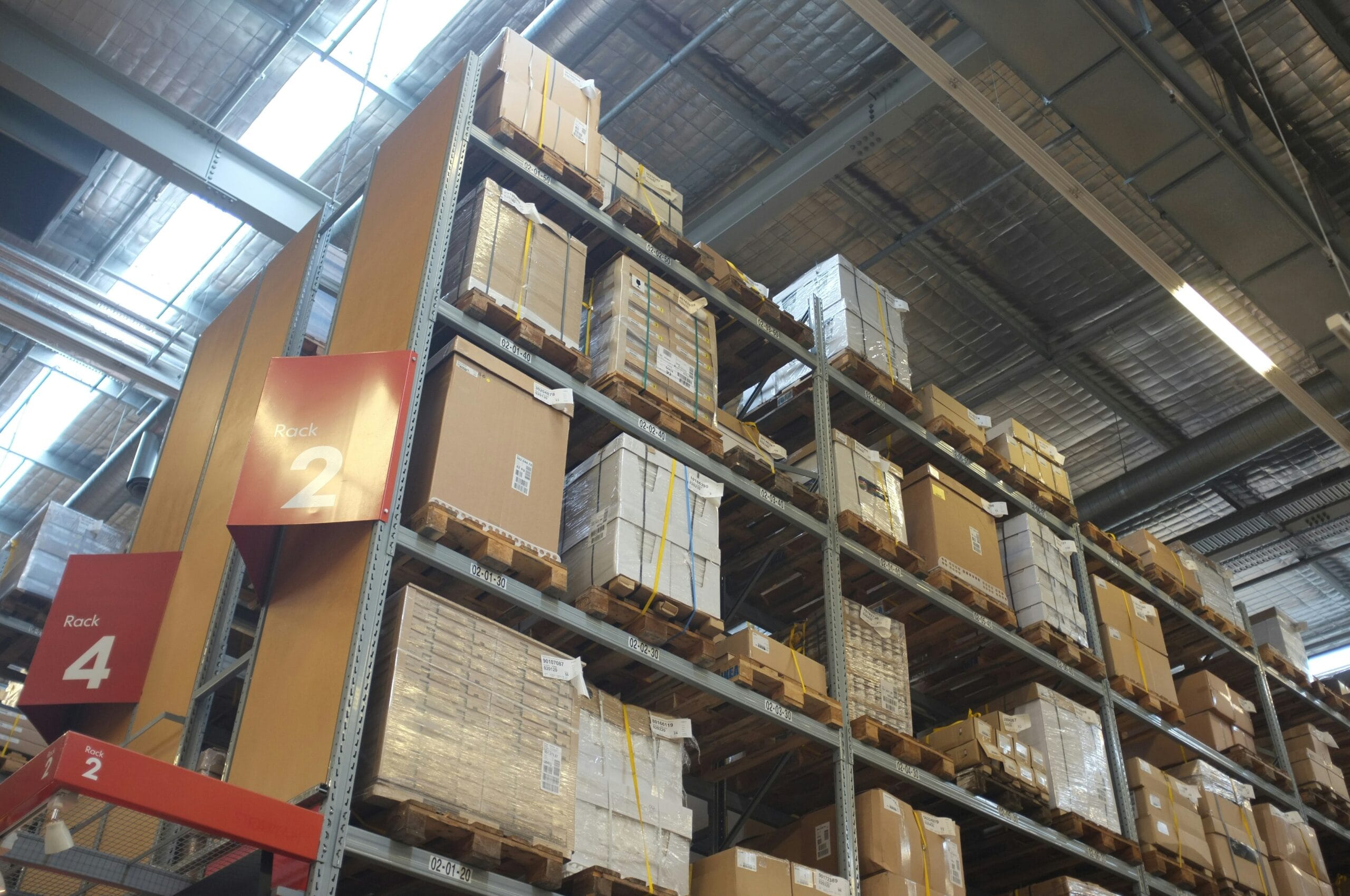
Warehouse racking systems are essential infrastructure components designed to optimize storage capabilities within warehouses, particularly in bustling regions such as Riyadh, Saudi Arabia. These systems provide a structured method for organizing goods and materials, allowing businesses to maximize available storage space efficiently. By utilizing these systems, warehouses can achieve higher levels of organization, reduce retrieval times, and improve overall workflow.
Warehouse racking systems come in various types, each suited to different storage needs. Some of the most common include selective racking, drive-in racking, pallet flow racking, and cantilever racking. Selective racking is often favored for its accessibility, as it allows for easy retrieval of items without the need to move other pallets. Drive-in racking, on the other hand, supports a higher density of storage by allowing forklifts to drive directly into the racking system. Pallet flow racking utilizes gravity to enable first-in, first-out (FIFO) rotation, while cantilever racking is ideal for storing long or bulky items that cannot be accommodated by traditional pallet racking.
The purpose of these systems extends beyond mere space optimization; they also play a pivotal role in enhancing overall warehouse efficiency. Adopting effective industrial pallet racking solutions can lead to decreased operational costs, improved inventory accuracy, and increased safety for employees. In the fast-paced environment of logistics and supply chain management in Saudi Arabia, efficient warehouse operations are critical to meeting customer demands and maintaining a competitive edge
What is ‘Top Rack’?
‘Top Rack’ is a sophisticated type of industrial pallet racking system designed to optimize storage space in warehouses, particularly in densely populated environments such as those found in Riyadh, Saudi Arabia. This innovative system is characterized by its ability to extend vertically, thereby maximizing the available height in warehouses while ensuring effective inventory management.
Unlike traditional racking systems, ‘Top Rack’ incorporates a unique design that utilizes narrower aisles and deep reach capabilities. This allows for greater storage density, resulting in a significant increase in the overall capacity of the warehouse without necessitating an increase in floor space. The distinct structure of ‘Top Rack’ supports heavy loads and is typically made from robust materials, ensuring durability and reliability under various operational pressures.
Additionally, ‘Top Rack’ systems are often designed with adjustability in mind, making it easy to customize the configuration according to specific business needs. This flexibility is essential in warehouses where product types and storage requirements can frequently change. It is most commonly employed in environments that require high-density storage solutions for palletized goods, making it particularly effective in distribution centers and retail warehouses across Saudi Arabia.
Moreover, the ‘Top Rack’ system enhances picking efficiency, as it facilitates straightforward access to items located at various heights. This is crucial for warehouses utilizing FIFO (First In, First Out) inventory management, where frequent retrieval of stock is necessary. With its focus on vertical space utilization and operational efficiency, ‘Top Rack’ has emerged as a preferred choice for warehouses aiming to maximize their storage potential.
Benefits of Using ‘Top Rack’ in Warehousing
Implementing‘Top Rack’ systems in warehouses offers numerous advantages that significantly enhance operational efficiency and optimize storage space. One of the primary benefits is effective space optimization. Traditional storage methods often lead to underutilized vertical space, whereas ‘Top Rack’ systems are specifically designed to maximize vertical storage, allowing warehouses in Riyadh, Saudi Arabia, to increase their storage capacity without expanding their footprint
Improved accessibility is another hallmark benefit of ‘Top Rack’ systems. These systems are engineered to provide easy access to stored items, thereby reducing the time spent on inventory retrieval. This is especially critical in busy warehouses where timeliness impacts overall productivity. Enhanced accessibility also minimizes the risk of damage to products, as items can be more reliably stored and retrieved without the necessity of pursuing cumbersome storage practices.
‘Top Rack’ systems significantly improve inventory management efficiency. As these systems can be configured to meet specific storage needs, they support more organized inventory workflows. This aspect aids in maintaining accurate stock levels, streamlining picking processes, and reducing errors. According to recent studies, businesses that employ sophisticated racking systems, such as those observed in industrial pallet racking setups, have reported up to a 30% increase in inventory accuracy.
Cost-effectiveness is another crucial benefit associated with ‘Top Rack’ systems. By optimizing space and improving operational workflows, businesses can lower their operational costs. Reduced need for external storage spaces or larger warehouse facilities translates into substantial savings. Additionally, the adaptability of ‘Top Rack’ systems permits them to accommodate varying storage needs, making them a versatile choice for warehouses across different sectors.
In conclusion, the advantages of adopting ‘Top Rack’ systems extend beyond mere space management; they represent a comprehensive strategy for enhancing productivity and efficiency in warehouses, especially in the rapidly developing region of Riyadh, Saudi Arabia.
Market Demand for ‘Top Rack’ Systems in Saudi Arabia
In recent years, there has been a notable surge in the demand for ‘Top Rack’ systems within Saudi Arabia. This increase is primarily fueled by various economic developments and the evolution of the e-commerce sector. As businesses adapt to the digital age, warehouse functionality and efficiency have become central to operational success, leading to the adoption of advanced warehousing solutions such as industrial pallet racking.
The rapid growth of e-commerce in Saudi Arabia has introduced new opportunities and challenges for logistics and distribution centers. Companies are increasingly seeking warehouses equipped with state-of-the-art racking systems to optimize space and streamline inventory management. ‘Top Rack’ systems are particularly favorable as they allow for the effective vertical utilization of warehouse space, an essential feature for operations that require substantial storage capacity in increasingly limited spaces
Additionally, Saudi Arabia’s Vision 2030 program emphasizes economic diversification and infrastructural development. This initiative has further stimulated investments in new projects and modernization efforts in the logistics sector. As a result, warehouses are being designed to accommodate the latest technologies, including advanced warehouse racking systems that enhance sorting, picking, and stocking efficiency. This evolution is also influenced by the rise of omni-channel retailing, where customers expect quick and seamless service, pushing retailers to enhance their storage capabilities.
Consequently, businesses across various sectors are now seeking tailored solutions that offer high-density storage, easy access, and adaptability, making ‘Top Rack’ systems a key player in the warehousing landscape. With these trends in mind, the future for warehouse racking systems in Riyadh and across Saudi Arabia looks promising as companies strive to remain competitive in a rapidly changing market.
Installation Process of ‘Top Rack’ Systems
Implementing ‘Top Rack’ systems in warehouses, especially in locations like Riyadh, Saudi Arabia, involves a systematic approach to ensure optimal functionality and safety. The installation process can be broken down into several key phases: planning and design, preparation, execution, and post-installation assessment.
Initially, thorough planning and design are imperative. Warehouse managers must assess the existing space, considering factors such as load capacity, dimensions, and the type of products stored. This planning phase should align with the operational needs of the warehouse. Developing a layout that maximizes space utilization while adhering to safety standards is crucial. During this stage, it is also essential to involve qualified engineers who understand the structural integrity required for industrial pallet racking systems.
The next step is preparing the site for installation. This includes ensuring that the ground is leveled and capable of supporting the weight of the chosen racking system. Further, any existing warehousing racking systems should be safely dismantled if necessary. During preparation, acquiring the correct tools and equipment, such as forklifts and pallet jacks, will facilitate a smoother installation process.
Once all preparations are complete, execution begins. This phase should be conducted by trained personnel who follow the manufacturer’s guidelines to the letter. Safety should be a paramount consideration throughout the installation process, which includes wearing appropriate personal protective equipment (PPE) and implementing safety protocols to prevent accidents. Each component of the ‘Top Rack’ system must be carefully assembled and anchored to ensure stability. Furthermore, alignment and leveling of the racking units are critical to prevent hazards.
Finally, after installation, it is advisable to conduct a thorough inspection and assessment of the ‘Top Rack’ systems to ensure they comply with safety regulations and performance standards. This step helps to identify any potential issues and addresses them promptly. With a well-executed installation process, warehouses in Riyadh can achieve significant improvements in their storage efficiency and overall operational capacity.
Maintenance and Safety Considerations
Ensuring the longevity and functionality of industrial pallet racking systems, particularly the innovative ‘Top Rack’, requires a comprehensive maintenance strategy. Regular inspections of the racking system are essential to identify and address any potential issues before they escalate. It is advisable to conduct inspections at least quarterly, focusing on critical structural components. Look out for signs of wear and tear, including bent frames, loose bolts, and signs of corrosion, which can compromise the safety and efficiency of warehouse operations.
Beyond just visual inspections, maintaining the integrity of these systems involves adhering to recommended maintenance protocols. Any damaged components should be replaced immediately, as they pose a significant risk in high storage environments typical in Riyadh’s warehouses. A well-documented maintenance log should be kept, detailing inspections, repairs, and any incidents that may have occurred, thus providing a valuable resource for future maintenance and safety audits.
Safety is paramount when dealing with warehouse racking systems. Workers operating around high storage areas should be thoroughly trained in safe handling practices and the specific safety protocols established for ‘Top Rack’. This includes guidelines for loading and unloading goods and protocols for using forklifts or other machinery around the racking. Additionally, providing adequate personal protective equipment (PPE) like hard hats and safety shoes is crucial. Emergency procedures should be updated regularly, ensuring all staff are aware of evacuation routes and emergency contacts
In conclusion, prioritizing maintenance and safety when operating industrial pallet racking systems, specifically in high-density environments such as those found in Saudi Arabia, will not only enhance the performance of these systems but also safeguard employees and preserve warehouse assets over time. Establishing rigorous inspection routines and safety measures will facilitate a secure and efficient working environment.
Cost Analysis: Investing in ‘Top Rack’ Systems
Industrial pallet racking has emerged as a pivotal element in optimizing space and enhancing operational efficiency in warehouses across Riyadh, Saudi Arabia. When considering the adoption of ‘Top Rack’ systems, it is essential to conduct a thorough cost analysis to understand both the initial investment and long-term financial benefits.
The initial costs associated with ‘Top Rack’ systems can be significant, encompassing equipment purchase, installation fees, and necessary modifications to the warehouse layout. However, these costs must be weighed against the potential for enhanced storage capacity and improved access to inventory. By utilizing vertical space more effectively, warehouses can reduce their footprint, thereby lowering rental costs and increasing the potential for revenue generation.
Moreover, the efficiencies gained from implementing modern warehouses racking systems can lead to substantial savings. Automated and well-organized storage solutions reduce time spent on locating and retrieving products, which translates into lower labor costs. Additionally, efficient inventory management facilitated by ‘Top Rack’ systems minimizes stock discrepancies and reduces the risks of overstocking or stockouts.
A crucial aspect of any investment decision in Riyadh’s competitive market is calculating the return on investment (ROI). The ROI for ‘Top Rack’ systems can be assessed by examining how quickly the increased efficiency can offset the initial costs. For instance, if a warehouse experiences a 20% reduction in labor hours or an equivalent increase in throughput, this improvement could justify the investment within a relatively short period.
In conclusion, a disciplined approach to cost analysis, featuring a careful examination of initial outlays against potential savings and ROI, is key for businesses in Saudi Arabia considering the shift to ‘Top Rack’ industrial pallet racking systems. By understanding the full financial implications, warehouse operators can make informed decisions that align with their strategic goals.
Case Studies of Successful Implementations of ‘Top Rack’ in Saudi Arabia
In the dynamic landscape of industrial operations in Saudi Arabia, effective warehouse management has become a critical component for various industries. The implementation of ‘Top Rack’ systems has proven successful in addressing the unique challenges faced by warehouses, leading to enhanced space optimization and improved inventory accessibility.
One notable example is a leading retailer in Riyadh that struggled with inadequate storage solutions and inefficient use of vertical space. By transitioning to ‘Top Rack’ industrial pallet racking, they were able to increase their storage capacity by over 50%. This system not only maximized their warehouse space but also streamlined the picking process, resulting in faster order fulfillment and reduced operational costs. Employees reported higher satisfaction levels due to easier access to inventory and reduced strain caused by manual lifting.
Another case involves a food distribution center in Jeddah that faced issues with managing high inventory turnover and seasonal demand fluctuations. Before implementing ‘Top Rack’ warehouses racking systems, the center experienced constraints that hindered efficient operations. Post-implementation, the facility saw a significant reduction in retrieval time as well as a marked decrease in product spoilage. The adjustable nature of the ‘Top Rack’ system allowed for flexibility to accommodate varying product sizes, thus optimizing their storage for diverse ranges of supplies.
Furthermore, a pharmaceutical company in Dammam benefited from the precision and organization that ‘Top Rack’ allowed. With strict regulatory standards requiring meticulous stock management, the company found that the installation of this racking system improved compliance and traceability of products. The ease of accessibility facilitated immediate physical checks and inventory audits, which resulted in enhanced operational accuracy.
These case studies illustrate the transformative impact of ‘Top Rack’ systems across various sectors in Saudi Arabia. By overcoming initial storage challenges, businesses have not only optimized their warehouse operations but have also achieved significant cost-saving measures and increased overall efficiency.
Future Trends in Racking Systems and Conclusion
The evolution of industrial pallet racking in warehouses is pivotal for the logistics and supply chain sectors, particularly in regions like Riyadh, Saudi Arabia. As businesses grow and adapt to changing market demands, innovative technologies are reshaping how warehouses operate. One prominent trend is the integration of automation and robotics within warehouse racking systems. Automated guided vehicles (AGVs) and robotic picking systems are becoming increasingly common, allowing for higher efficiency and lower labor costs. These systems respond well to the need for greater speed and accuracy in order fulfillment, a demand that is particularly acute in rapidly growing markets.
Moreover, advanced data analytics and software solutions are aiding warehouse managers in optimizing space utilization and inventory management. By employing sophisticated warehouse management systems (WMS), operators can gain real-time insights into inventory levels, enabling them to make informed decisions regarding the use of industrial pallet racking. This shift towards a data-driven approach is not just improving operational efficiency, but also enhancing overall safety standards within warehouses.
Another significant trend is the move towards sustainable racking solutions. With environmental concerns taking center stage, companies in Saudi Arabia are beginning to adopt eco-friendly materials and practices in their warehouse racking systems. This approach not only reduces the environmental footprint but also aligns with governmental policies focused on sustainability.
Looking ahead, the future of warehouse racking in Saudi Arabia will likely see a fusion of these innovative technologies and sustainable practices in ‘Top Rack’ systems. As the industry evolves, businesses must remain adaptable to leverage these advancements effectively. In conclusion, investing in modern solutions such as automated racking systems and sustainable practices will be essential for companies looking to thrive in the competitive warehousing landscape of the future