Revolutionizing Warehouse Efficiency: The Impact of Industrial Racking Systems
Introduction to Industrial Racking Systems
Industrial racking systems are essential components of modern warehouse solutions, designed to optimize storage space, improve functionality, and enhance accessibility. These systems facilitate the organization of goods in various forms, ranging from pallets to individual items, ensuring that warehouses operate efficiently. Unlike traditional storage methods, which often rely on less systematic approaches, industrial racking systems offer a structured environment that maximizes space utilization and minimizes the time spent on inventory management.
There are several types of industrial racking systems tailored to meet different storage requirements. The most common types include selective pallet racking, drive-in racking, narrow aisle racking, and push-back racking. Selective pallet racking is versatile and allows easy access to individual pallets, making it a popular choice for warehouses with a diverse inventory. Conversely, drive-in racking is more space-efficient, enabling forklifts to drive into the racking structure, thus providing a higher density of storage for bulk items
Moreover, narrow aisle racking systems are specifically designed for tight spaces, allowing warehouses to maximize vertical storage without sacrificing accessibility. On the other hand, push-back racking systems enable multi-level storage, improving retrieval efficiency while maintaining storage density. These variations in design cater to the unique needs of various industries, from retail logistics to manufacturing and distribution.
In essence, industrial racking systems differ from traditional storage methods by providing greater adaptability, effectiveness, and scalability, which are crucial in today’s fast-paced supply chain landscape. As businesses strive to refine their warehouse operations, understanding the fundamentals of these systems becomes vital in identifying the most suitable solutions for improved performance and productivity
Benefits of Advanced Racking Systems
Advanced industrial racking systems for warehouse solutions have revolutionized the way storage is approached in various sectors, offering numerous advantages that significantly improve operational efficiency. One of the primary benefits of these systems is enhanced space utilization. By maximizing vertical storage capabilities, businesses can optimize the use of their warehouse space, allowing for more inventory without necessary expansion. This is crucial in an era where real estate costs are continually rising, and every square foot counts
Another significant gain is improved safety within the warehouse environment. An industrial racking system designed with safety standards in mind helps to reduce the risk of accidents caused by improper stacking or overloading pallets. Enhanced racking specifications also facilitate better access to goods, minimizing the chance of workplace injuries related to lifting or improper handling.
Moreover, advanced racking systems can adapt to varying operational needs, providing the scalability necessary for growing businesses. Whether a company needs to accommodate seasonal inventory spikes or large stockage of particular goods, these systems allow for easy reconfiguration to meet changing demands. This scalability leads to long-term cost savings; as businesses grow, they can add to their racking systems without incurring substantial new investment costs.
Furthermore, streamlined organization facilitated by an industrial racking system for warehouse solutions enhances operational efficiencies. Quick access to products reduces retrieval times, thereby improving overall productivity. The combination of space efficiency, enhanced safety, and adaptability ultimately leads to a robust supply chain, ensuring that companies meet customer demands promptly and effectively
Types of Racking Systems Available
Industrial racking systems for warehouse solutions are essential components tailored to enhance storage efficiency and accessibility. Among the most prevalent types of racking systems available in the market are selective racking, drive-in racking, and pallet flow racking, each offering distinct features and advantages.
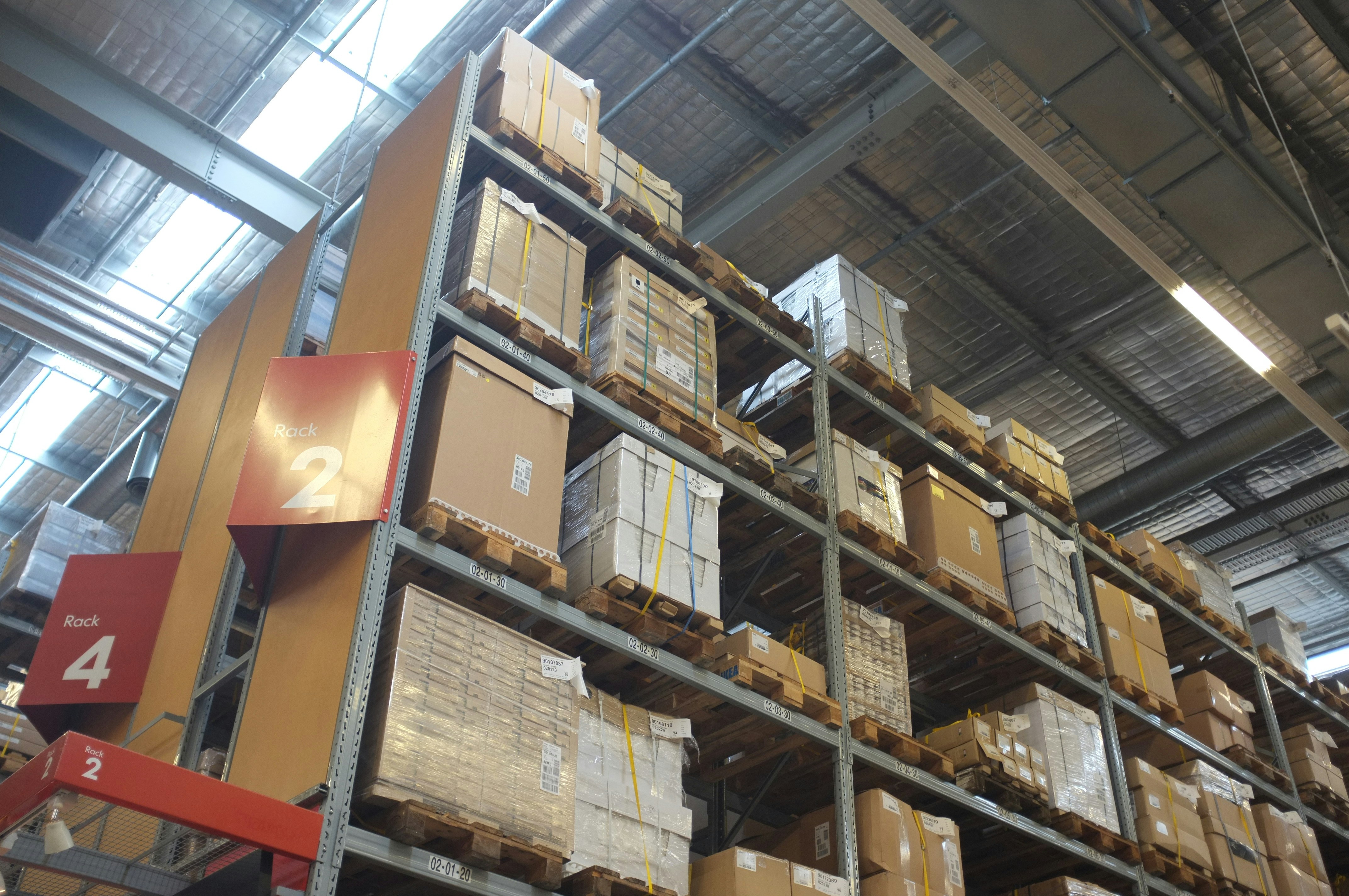
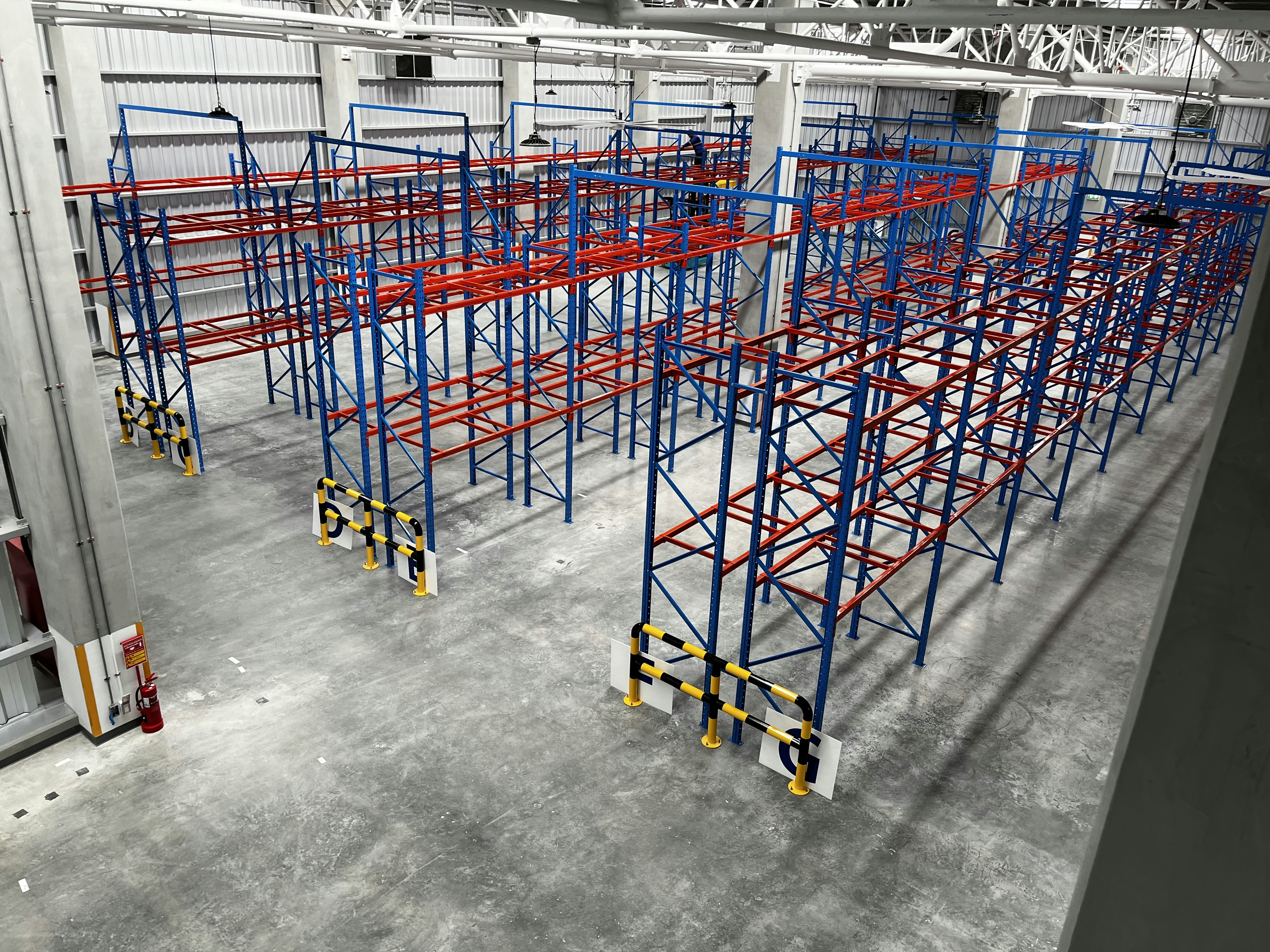
Selective Racking is one of the most widely used rack systems due to its versatility and easy accessibility. This system allows for direct access to each pallet, facilitating quick inventory turnover. Selective racking is well-suited for warehouses that require a variety of products stored in relatively small quantities. Its adaptability means it can be configured in various heights and depths, maximizing vertical space.
In contrast, Drive-In Racking is designed for high-density storage, allowing multiple pallets to be stored in a single slot. This configuration reduces aisle space, thereby increasing storage capacity. The drive-in system operates on a Last In, First Out (LIFO) principle, making it ideal for products with a longer shelf life or those that do not require frequent access. This system is particularly effective in cold storage solutions where maximizing space is crucial for operations.
Pallet Flow Racking, on the other hand, utilizes a first in, first out (FIFO) system where pallets move along inclined tracks. This system is efficient for warehouses handling perishable goods or items with a limited shelf life, ensuring that older inventory is shipped before newer stock. Its design allows for high-density storage while maintaining easy access to inventory and minimizing handling time.
Choosing the right industrial racking system for warehouse solutions not only optimizes storage space but also supports operational efficiency. Each racking type serves specific needs and should be selected based on the nature of the inventory and throughput requirements.
Customization Options for Racking Systems
In today’s fast-paced business environment, the need for effective warehouse solutions has never been more critical. One of the most pivotal components of these solutions is the industrial racking system, which can be tailored to meet specific operational requirements. Customization options in racking systems enable businesses to optimize space and enhance productivity, ultimately impacting overall efficiency.
Height is a primary factor when customizing an industrial racking system for warehouse solutions. Businesses can choose racking heights based on the dimensions of their warehouses and the products stored. For example, higher racking systems can increase storage capacity without expanding floor space, making them ideal for warehouses with vertical storage potential. However, safety protocols and accessibility must be considered to ensure easy retrieval of goods while minimizing risks of accidents.
Load capacity is another essential aspect of customization. Different warehouses have unique inventory profiles, requiring racking systems capable of supporting various weights. Businesses must carefully assess the weight of their products and select racking systems designed to handle those loads effectively. This approach not only prolongs the lifespan of the racking but also ensures safety in operations.
Material selection also plays a crucial role in the efficiency of industrial racking systems. Options typically include steel, aluminum, or composite materials, each presenting distinct advantages and drawbacks. Steel racking systems, for example, tend to offer durability and strength, making them suitable for heavy duty applications, while aluminum systems may provide lighter weight solutions ideal for areas requiring frequent handling.
By thoroughly evaluating these customization options—height, load capacity, and materials—businesses can create an industrial racking system for warehouse solutions that best fits their operational needs, significantly enhancing efficiency and productivity in the long run.
Designing Efficient Warehouse Layouts
Effective warehouse layout design is crucial in leveraging the full potential of an industrial racking system for warehouse solutions. A well-planned layout not only integrates racking systems but also enhances overall workflow and operational efficiency. It begins with identifying the specific storage needs and the types of goods being held. This understanding enables warehouse managers to choose the right racking systems that accommodate the inventory while maximizing vertical and horizontal space.
Incorporating an industrial racking system requires a careful assessment of aisle widths, the positioning of access points, and the flow of operations. For instance, narrower aisles can allow for more racking units to be installed, increasing storage density. However, this must be balanced against accessibility for both personnel and machinery, such as forklifts, ensuring safe and efficient retrieval of items. The layout should prioritize high-turnover products being placed in easily accessible areas, minimizing the time spent in locating and handling inventory.
Moreover, the layout must also consider future scalability. As businesses evolve, the demand for warehouse space may change. An adaptable design allows for quick reconfiguration of racking systems to accommodate increased inventory without extensive renovations. Technology can further enhance these designs; using warehouse management systems (WMS) provides data-driven insights to optimize space utilization continuously and improve workflow. Therefore, the synergy between an appropriate warehouse layout and an industrial racking system is paramount in creating a seamless and efficient operational environment.
To summarize, a thoughtfully designed warehouse layout, in conjunction with a well-implemented industrial racking system, contributes significantly to improving both productivity and operational efficiency. Addressing space optimization and workflow considerations leads to effective inventory management and overall success in warehouse operations.
Safety Considerations in Racking Systems
Ensuring safety in warehouses that implement an industrial racking system is paramount to maintaining a secure working environment. A significant factor in this regard is adhering to load limits. Each racking system is designed for specific weights, and exceeding these limits can lead to catastrophic failures. It is imperative that warehouse managers familiarize themselves with the manufacturer’s specifications and enforce strict compliance with these guidelines to mitigate risks.
Proper installation of racking systems also plays a critical role in workplace safety. Industrial racking systems must be installed according to regulatory standards and guidelines. This ensures not only the longevity of the racks but also stabilizes the structure during operations. Trained professionals should carry out the installation process, confirming that the racks are anchored correctly and that all components fit seamlessly together, reducing the risk of accidents caused by structural weaknesses.
Regular maintenance practices are essential in safeguarding the integrity of the racking systems. Inspections should be conducted routinely to check for signs of wear or damage, such as bent beams or loose connections. Furthermore, employee training on the limits of load capacities and safe handling practices fosters a culture of safety. Encouraging staff to report any issues with the racking systems can lead to timely repairs, preventing accidents and injuries.
Finally, adherence to local and national regulations regarding warehouse safety is crucial. Compliance with these standards not only ensures safe operations but also protects the organization from potential legal ramifications. Implementing comprehensive safety protocols and fostering an environment of responsibility can significantly enhance the overall safety of operations involving industrial racking systems for warehouse solutions.
Case Studies: Successful Implementations
To illustrate the significant advantages of an industrial racking system for warehouse solutions, we can look at various real-life case studies that demonstrate successful implementations. These examples highlight the challenges faced by different businesses, as well as the effective solutions provided through advanced racking systems.
One notable case study involves a large retail distributor, which faced challenges regarding space optimization within their warehouse. The existing shelving units were inefficient, leading to overcrowding and difficulties in inventory management. Upon conducting a thorough assessment, the company opted for a selective racking solution combined with a pallet flow system. This industrial racking system allowed for improved organization and easy access to products. As a result, the distributor experienced a 30% increase in storage capacity and a notable reduction in picking times, ultimately enhancing overall operational efficiency.
In another instance, a manufacturing company struggled with inventory accessibility and frequent damage to products caused by improper storage. The implementation of a drive-in racking system provided a solution by maximizing vertical space and allowing for high-density storage. After the new system was established, the company reported a 50% decrease in product damage and improved employee productivity, as workers could retrieve inventory quickly and efficiently.
Lastly, a pharmaceutical company faced stringent regulatory compliance requirements that necessitated better organized and documented storage solutions. By investing in a customized industrial racking system specifically tailored to their unique needs, the organization not only complied with regulations but also streamlined their operations. Post-implementation metrics showed a 40% faster inventory turnover rate, improving overall supply chain effectiveness.
These case studies collectively underline the transformative potential of industrial racking systems for warehouse solutions. They reveal how tailored strategies can turn logistical challenges into streamlined operations while optimizing space and improving productivity.
Future Trends in Racking Systems
The landscape of logistics and warehouse management is continuously evolving, and the racking system design is no exception. Emerging trends in industrial racking systems for warehouse solutions are heavily influenced by advancements in technology, automation, and sustainability. One of the most notable trends is the incorporation of automation within storage solutions. Automated racking systems enable faster retrieval and storage of goods, significantly enhancing operational efficiency. By integrating robotics and automated guided vehicles (AGVs), warehouses can optimize space and reduce human error, ultimately leading to improved productivity.
Another exciting development is the rise of smart racking solutions, which leverage IoT (Internet of Things) technology to provide real-time data tracking and inventory management. Smart racking systems not only streamline inventory control but also enhance decision-making processes through data analytics. This technology allows warehouse operators to monitor the performance of their storage systems, forecast inventory needs, and maintain optimal stock levels more effectively. As businesses seek greater efficiencies, the demand for these intelligent systems is becoming more pronounced.
Moreover, there is an increasing emphasis on sustainability within the industrial racking system industry. Companies are transitioning towards eco-friendly materials and innovative design strategies that minimize environmental footprints. The adoption of renewable resources in the manufacturing of racking systems, along with designs that promote reusability and recyclability, reflects a commitment to sustainable practices. These developments not only cater to environmental responsibilities but also help organizations enhance their corporate social responsibility (CSR) profiles.
In conclusion, the future of racking systems is poised for substantial transformation driven by automation, smart technology, and sustainable practices. As the industry adapts to these trends, businesses can expect enhanced efficiency and effectiveness in their warehouse operations, aligning with the broader goal of creating resilient supply chains.
Getting Started with Your Racking System
Implementing an effective industrial racking system for warehouse solutions requires careful planning and assessment. The first step is to thoroughly evaluate your warehouse space and determine your specific storage needs. Factors such as the types of products being stored, turnover rates, and the overall layout of your warehouse will inform your decision-making process. Conducting a needs assessment will highlight the quantities and sizes of stock items, which is crucial for selecting the appropriate racking design.
Once you have a clear understanding of your requirements, the next step is to choose the right racking system. There are several types of industrial racking systems available, including selective pallet racks, drive-in racking, and mobile shelving systems. Each type offers unique advantages depending on your operational needs, such as maximizing storage density or improving accessibility. For instance, if your warehouse handles a large volume of diverse products moving frequently, a selective or push-back racking system might be optimal.
After choosing the industrial racking system that best fits your needs, it is vital to collaborate with reputable racking system providers. These providers can offer valuable insights into installation processes and best practices to ensure a smooth setup. Additionally, discuss maintenance schedules and safety checks to prolong the life of the racking systems and safeguard your inventory. Regular inspections and maintenance enable you to prevent potential issues, ensuring that your warehouse operates at peak efficiency.
In conclusion, by assessing your specific needs, selecting an appropriate industrial racking system for warehouse solutions, and partnering with experienced providers, you can enhance your warehouse operations and achieve improved inventory management.